Why Your Interior Designer Says “NO”
And why and how that “No” can save you lakhs, months of delays, and years of regret.
One of the most misunderstood aspects of hiring an interior designer is hearing the word “No.“
When you have hired a professional company and then shared your dream home vision, and then suddenly your designer says:
- “No, that won’t work.”
- “I wouldn’t recommend that.”
- “Let us not do it that way.”
To many homeowners, it can feel frustrating and very disappointing.
After all, it is your house.
But here is the real truth which no one tells you!
A good interior designer’s job is just not to agree with everything you say and impress you. But the actual goal is to protect your investment.

Designers See Through it – What Clients Don’t
When a client asks for a feature, they are usually imagining how it will look.
A designer has to think about:
- Functionality
- Maintenance
- Structural limitations
- Budget impact
- Long-term durability
- Lighting
- Proportion
- Construction feasibility
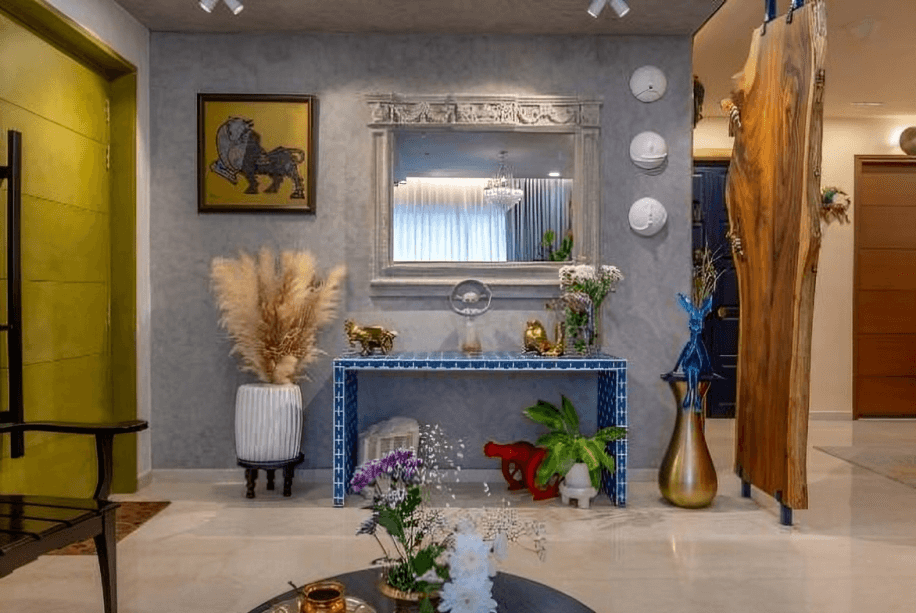
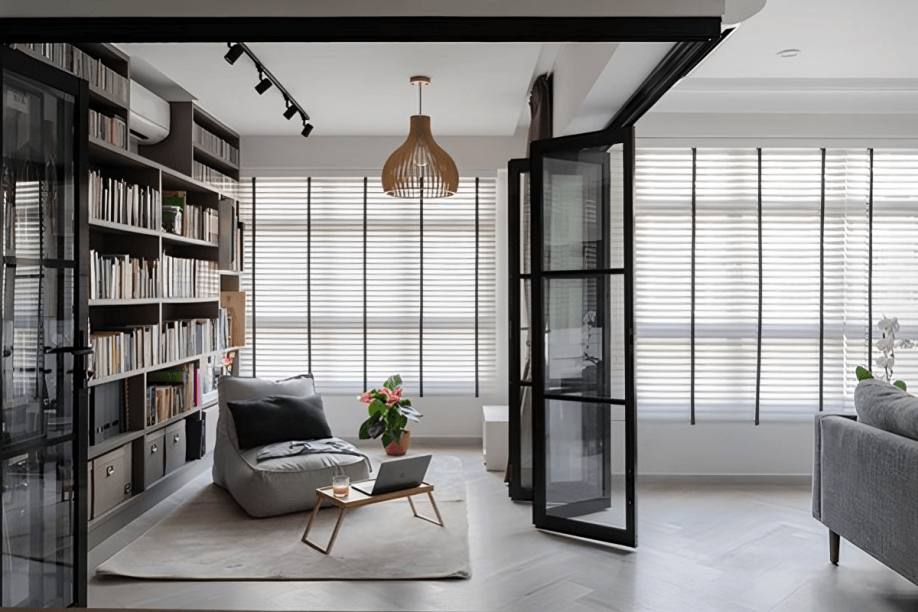
What looks stunning in a Pinterest image or on Instagram may become a daily headache in real life.
The Most Expensive Word in Design Is “Yes”
Many projects go wrong because someone kept saying yes to either impress or get the business.
Yes to moving walls.
Yes to changing layouts halfway through construction.
Yes to oversized furniture in undersized rooms.
Yes to trendy materials that won’t age well.
Every “yes” has a cost.
Sometimes that cost appears immediately in the budget.
Sometimes it appears five years later when the home starts looking dated.
“But I Saw It Online”
One of the biggest challenges in modern design is social media.
A photo online captures one perfect angle.
It doesn’t show:
- The maintenance requirements
- The actual room size
- The hidden services
- The construction complexity
- The compromises made elsewhere
Designers often say no because they have seen what happens after the photo is taken.
The Difference Between Preference and Expertise
Clients know how they want to feel in their home.
Designers know how to create that feeling.
Those are two different things.
A homeowner might ask for:
- Dark marble everywhere
- Massive chandeliers
- Dozens of feature walls
- Multiple design styles in one space
Individually, each idea may very sound appealing.
Together, they can create visual chaos.
Good design is often about what you leave out.
The “No” That Saves the Project
The best designers don’t say no to be difficult.
They say no when:
- The idea compromises functionality.
- The budget impact is disproportionate.
- The design becomes visually cluttered.
- Construction risks increase.
- Long-term value decreases.
In many cases, the most valuable service a designer provides is preventing costly mistakes before they happen.
The Best Clients Understand This
The most successful projects are not the ones where the designer wins every argument.
They are the ones where trust exists on both sides.
Great clients challenge ideas. Great designers explain decisions.
And together, they create something better than either could have achieved alone.
When your interior designer says “No,” don’t immediately hear rejection.
Hear experience.
Because sometimes the difference between a beautiful home and an expensive mistake is one uncomfortable conversation at the right time.